Hey everyone, let’s cut to the chase – if you’ve ever baked a batch of chocolate chip cookies, roasted veggies, or slathered a sheet of fudge, you know that crusty, burnt-on gunk on your baking pan doesn’t just look gross. It can also ruin your next recipe, make your baked goods stick, and even leave that weird stale taste in the pan you use for everything. As someone who’s been in the baking pan game for years (yeah, I’m the supplier side, not just the gal stirring batter), I’ve tested every hack under the sun – some work, some are just plain bad ideas (sorry, steel wool on non-stick, we don’t do that here). Let’s break down exactly how to clean your baking pan effectively, no matter if it’s non-stick, aluminum, stainless steel, or even that vintage cast-iron sheet you inherited from your grandma. Baking Pan
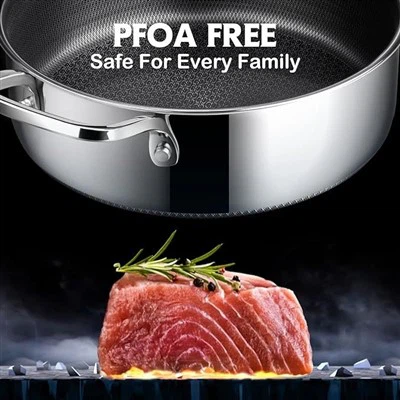
First, let’s start with the “right after you use” step, because this is the most important part. I can’t tell you how many customers message me saying their pan is ruined because they waited three days to scrub it – let’s be real, burnt food gets way harder when it dries out. Here’s the lowdown: as soon as you’re done baking, take the pan over to the sink, fill it with warm water, add a tiny squirt of dish soap, and let it sit for 10 to 15 minutes. That’s it. No heavy scrubbing, no elbow grease yet. For super stuck-on stuff – think baked-on cheese from a lasagna pan or burnt sugar from a caramel bar – add a sprinkle of baking soda to the warm water too. Baking soda’s gentle abrasive properties break down residue without scratching, and it’s way cheaper than those “specialty” pan cleaners you see at the grocery store. I even keep a shaker of baking soda right next to my sink for this exact reason – it’s non-toxic, works on almost every pan, and I’ve never had it leave a weird smell or taste behind.
Wait, hold up – before you grab that sponge, let’s talk about pan types, because one size doesn’t fit all. I sell a bunch of different baking pans, and each one needs a little different love. Let’s start with non-stick, since that’s the most popular (and the easiest to mess up). I see so many people using steel wool, harsh scouring pads, or even putting non-stick pans in the dishwasher – that’s a one-way ticket to ruining the coating. For non-stick: stick to soft sponges (the yellow side, not the green scrubby, unless it’s the super gentle kind), warm soapy water, and never let it soak for more than 30 minutes. If you’ve got a tough spot on non-stick, a paste of baking soda and a little water works way better than anything else. Rub it on with a soft sponge, let it sit for 5 minutes, then wipe off – the burnt stuff should lift right off. I always tell my customers: if you ruin the non-stick coating, the pan is basically toast – so take it easy.
Next up, aluminum baking pans – these are the workhorses, used for everything from sheet pan dinners to bakery batches. Aluminum is durable, but it can get stained (that weird gray or brown discoloration) if you don’t clean it right, and it’s also reactive to acidic foods like tomatoes or lemon. Don’t stress, this is easy to fix. For daily cleanup on aluminum: same as before, warm soapy water, soft sponge. For really stubborn burnt gunk, fill the pan with water, add 2 tablespoons of cream of tartar or white vinegar, bring it to a boil on the stove, then turn off the heat and let it sit for 20 minutes. The acid breaks down the burnt residue, and the cream of tartar keeps the aluminum from staining. I’ve used this trick on hundreds of aluminum pans – it’s like magic. Just make sure to dry it right away after, because aluminum can rust if it sits wet.
Stainless steel pans are another big seller for me – they’re sturdy, look sleek, and last forever if you take care of them. The problem with stainless steel is that it can get “seasoned” (that brown, sticky layer) over time, which is actually okay for baking, but no one wants it when it’s just burnt garbage. For stainless steel: first, don’t use abrasive scrubbers – they’ll leave scratches that make it look dull. For everyday cleanup, warm soapy water and a soft sponge. For baked-on gunk, fill the pan with water, add a slice of lemon, bring it to a boil, simmer for 10 minutes, then let it cool. The lemon’s acid eats away at the residue, and it leaves a fresh citrus smell too. If you’ve got a super tough spot, a little baking soda paste rubbed on with a sponge works – just don’t scrub too hard.
Now, let’s talk about the method I swear by for really tough, old pans – the one I learned from a old baker who’s been in the game for 40 years: the baking soda paste soak. It’s simple, no harsh chemicals, and it works on almost every pan. Here’s how to do it: mix 3 parts baking soda with 1 part water to make a thick paste. Spread it all over the burnt areas of your pan – make sure it’s a thick layer, not just a thin smear. Then, cover the pan with aluminum foil or a plastic wrap (just make sure the plastic is oven-safe if you’re going to heat it, wait – no, actually, don’t put plastic in the oven. Oops. Cover it with foil or just leave it, but let it sit for at least 2 hours, or even overnight. The longer it sits, the better it works. After it’s sat, wipe off the baking soda paste with a warm sponge – the burnt stuff should lift right off. If there’s still a little left, gently scrub with a soft sponge and a little more warm water. I’ve used this on pans that had been sitting in a closet for months – it’s incredible.
Wait, what about the dishwasher? A lot of people ask me if it’s okay to put baking pans in the dishwasher. The short answer is: it depends. If you have a non-stick pan, skip the dishwasher – the harsh detergents and the metal racks can scratch the coating over time. Aluminum pans? Probably okay if you use a gentle detergent, but I still recommend hand-washing them – dishwashers can make aluminum stain. Stainless steel pans? They’re usually dishwasher-safe, but again, hand-washing is better for long-term life, and it avoids those weird mineral deposits that build up in the dishwasher. I always tell customers: if you want your baking pan to last, hand-wash whenever possible. It takes 2 minutes, and saves you the cost of a new pan every six months.
Now, let’s talk about the mistakes I see people make all the time – and how to avoid them. First mistake: using too much scrubber. Steel wool, green scouring pads, even those “heavy duty” sponges – they scratch the pan, and scratches are where residue builds up, making it harder to clean next time. Second mistake: waiting too long to clean. Burnt food dries hard, and it’s 10x harder to scrub off after a day. Third mistake: using harsh chemicals. Things like bleach or oven cleaner – they leave a weird taste in the pan, and they’re not good for your food. Stick to baking soda, vinegar, cream of tartar, and lemon – those are safe, work, and don’t cost a fortune. Fourth mistake: not drying the pan after cleaning. Water spots, rust, and stains can set in if you leave your pan wet on the counter. Just wipe it dry with a towel, or put it in a warm oven for 5 minutes to make sure all the moisture is gone.
I also wanted to add a little pro tip for baking pan owners – even if you clean it right, a little bit of residue is actually okay! For example, when you’re baking, that thin, brown layer on a stainless steel pan (called a patina) makes food less likely to stick, and it actually improves with use. It’s like a coffee mug that gets better with time – it has its own flavor, and it works better. So don’t scrub every little spot off – that’s not the goal. The goal is to get rid of the burnt, sticky stuff that ruins your next recipe, not to strip the pan completely.
Now, what if you’ve already got a pan that’s super bad – like, we’re talking 3 days of burnt lasagna, no one has cleaned it, it’s got a weird smell and everything? I’ve got a trick for that too. Fill the pan with enough warm water to cover the gunk, add 1 cup of white vinegar, and bring it to a boil on the stove. Let it boil for 10 minutes, then turn off the heat, add 1/2 cup of baking soda (it’ll fizz a lot, that’s normal), and let it sit for 1 hour. Then, pour out the water, and the residue should wipe right off. If not, a little baking soda paste and a soft sponge. I’ve used this on pans that I thought were ruined – they come out looking like new.
Here’s the thing: as a baking pan supplier, I’m not just here to sell you pans – I want you to use them, and love them, for years. A good baking pan is an investment, and taking 5 minutes to clean it right after use saves you from having to buy a new one every few months. I’ve had customers tell me that their first baking pan from me is 10 years old, and it still works like new – that makes me way happier than a one-time sale.

Now, if you’re in the market for a new baking pan, or you want to upgrade the one you’ve got (the one that’s got a little too much gunk on it, and you’re tired of fighting with it), we’ve got all kinds – non-stick, aluminum, stainless steel, even those vintage-style cast iron ones. We make pans that are easy to clean, durable, and work for every recipe. If you’ve got questions about what pan is right for you, or you’re ready to place an order for commercial or personal use, hit us up to connect for a purchase chat – we’re here to help you find the perfect pan for all your baking needs. No pressure, just good advice and quality pans.
Baking Pan References
- Food and Drug Administration (FDA). (2022). Safe Cleaning and Maintenance of Kitchen Cookware.
- The Kitchn. (2023). The Best Ways to Clean Every Type of Baking Pan.
- National Restaurant Association. (2021). Commercial Kitchen Cookware Care Guidelines.
- Baking Business Magazine. (2022). Maintaining Commercial Baking Equipment for Longevity.
Zhejiang Nanyue Kitchenware Co., Ltd.
We’re well-known as one of the leading baking pan manufacturers and suppliers in China, also support customized service. Please feel free to buy high quality baking pan made in China here and get pricelist from our factory. For price consultation, contact us.
Address: Located inside Zhejiang Jialiyuan Industry and Trade Co., Ltd. (Nanyue Kitchenware) in Jiangbin Industrial Zone, Tongqin Town, Wuyi County, Zhejiang Province.
E-mail: nanyuekitchenware@zj-jlypans.com
WebSite: https://www.nanyuecook.com/
