As a supplier of LPG gas compressors, I’ve learned over the years that a high-quality compressor doesn’t end at delivery. Customers often contact me after installing their units, asking what support they can count on to keep operations running smoothly. I get it—LPG compressors are workhorses for refineries, storage terminals, and small fuel distribution hubs, and any downtime can lead to lost product, safety risks, and frustrated teams. That’s why after-sales service isn’t just an add-on for our company; it’s the backbone of how we build trust with every client. Let me break down what our after-sales offerings include, from the moment a compressor hits a worksite to years down the line. LPG Gas Compressor
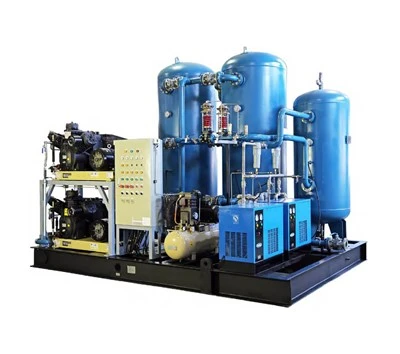
First, let’s start with the most critical step right after installation: on-site commissioning and initial training. Too many compressor suppliers will hand over the unit and disappear, but we don’t do that. Every one of our LPG compressors is built to handle the unique properties of liquefied petroleum gas—its pressure fluctuations, its tendency to mix with trace amounts of moisture or oil, the way it behaves during start-up and shut-down cycles. If the commissioning isn’t done right, even a top-tier compressor can develop issues early on. So our team of certified service technicians travels to the worksite to run full system tests: checking pressure gauges, calibrating safety relief valves, verifying that the compression ratio matches the client’s output needs, and testing for any leaks in the piping connections. We also walk the local operators through the unit’s controls, emergency shut-off protocols, and basic daily checks—like how to read performance metrics and spot small red flags, such as unusual vibration or noise, before they turn into big problems. For example, last year a small fuel distribution client in rural Texas called us a week after their compressor was installed. Their operators said the unit was making a high-pitched whine, and they were worried it was going to fail mid-shift. Our technician was on-site within 48 hours, and it turned out the initial commissioning hadn’t properly aligned the compressor’s shaft with the motor. A quick adjustment fixed it, but that call reinforced why we never skip that hands-on step with new installs.
Next, routine maintenance programs tailored specifically to LPG compressor needs. Unlike general industrial compressors, LPG units require scheduled checks that account for the corrosive and volatile nature of the gas. We don’t offer a one-size-fits-all maintenance plan; we work with each client to build a schedule based on how often their compressor runs, the volume of LPG it moves, and the environmental conditions of their worksite. For clients that run their compressors 24/7 at a large storage terminal, we recommend monthly inspections of the filter separators—since LPG can pick up contaminants that clog these parts quickly. For smaller operations that only use their compressor a few times a week, we suggest quarterly checks to inspect valve seals and replace any worn gaskets that might leak gas. We also offer both on-site maintenance services and remote monitoring for clients who want to stay on top of performance without needing a technician every time. Our remote monitoring system tracks real-time data like discharge pressure, oil temperature, and motor load. If the system detects a deviation from normal, our service team alerts the client immediately, sometimes even before a problem becomes visible. Last year, a refinery in the Midwest was using our compressor to transfer propane to railcars. The remote system flagged an unusual spike in oil temperature, and our team was able to schedule a maintenance check during a planned shut-down, preventing a potential fire hazard and avoiding an estimated $50,000 in lost production revenue.
Then there’s spare parts support, which is a huge pain point for many LPG compressor users. Waiting for a replacement part to ship from overseas can mean days or even weeks of downtime—time that most operations can’t afford. That’s why we maintain a large inventory of genuine OEM spare parts right here in regional warehouses across North America, and we’re expanding to Europe and Asia next year for our global clients. We stock everything from small o-rings and filters to larger components like piston rings and valve assemblies. And we don’t just sell parts—we help clients identify exactly what they need. For example, a client in Canada once tried to source a replacement pressure regulator for their compressor from a generic industrial parts supplier. It turned out to be the wrong type, and when they installed it, it caused pressure fluctuations that damaged the compressor’s impeller. Our team walked them through identifying the correct part, shipped it the same day, and even provided instructions for safe installation, so they didn’t have to wait for a technician. We also offer discounted part kits for clients on long-term service plans, which helps them budget for maintenance without unexpected costs.
Emergency troubleshooting is another key part of our after-sales service, and we’re available 24/7 for clients. LPG operations can’t shut down at 2 a.m. if a compressor fails, and we know that. Our service team has a dedicated hotline and emergency response portal, so clients can reach a trained technician at any time, day or night. When a client calls with an emergency, we first guide them through basic safety steps over the phone—like closing the gas supply valves and activating emergency shut-downs—before dispatching a technician to the worksite. We also carry portable diagnostic tools in our service vans, so we can run tests on-site to quickly identify the issue. A few months ago, a propane bottling plant in Florida had a compressor fail two days before a holiday weekend, when they expected a huge increase in demand for LPG for grilling and home heating. Our team sent two technicians out within 12 hours, diagnosed a broken drive shaft, and had a replacement part shipped and installed by the end of the weekend. That client ended up extending their service contract with us last quarter, which we see as a direct result of that emergency support.
Beyond maintenance and repairs, we also offer upgrades and retrofits for existing LPG compressors. Technology changes fast, and older compressors might not be as energy-efficient or safe as newer models. Instead of forcing clients to buy an entirely new unit, we can retrofit their existing compressor with parts that improve performance. For example, many older LPG compressors use outdated control systems that are hard to operate and prone to errors. We can upgrade these to digital control panels that make it easier to monitor performance, adjust pressure settings, and trigger automatic shut-offs for safety. We’ve also retrofitted compressors with energy-efficient motors, which can reduce a client’s electricity costs by up to 20%—a big savings for operations that run their units constantly. Last year, a small storage terminal in Mexico had a 10-year-old LPG compressor that was using too much energy and had frequent leaks. We retrofitted it with a new sealing system and a variable frequency drive motor, and they reported a 18% drop in energy bills and zero leaks in the six months after the retrofit. That’s a much more cost-effective option for clients who don’t want to invest in a brand-new unit but want to improve their operations.
We also prioritize safety training for all our clients, especially since LPG is a flammable gas that requires strict handling protocols. Our training isn’t just for initial installation—we offer ongoing refreshers, as well as specialized training for teams that handle high-volume LPG transfers. We cover topics like gas leak detection, proper shut-down procedures, emergency response, and compliance with local safety regulations. For example, in the U.S., OSHA has specific rules for LPG handling, and we make sure our training aligns with those standards. Last year, we held a safety workshop for a group of operators at a fuel distribution hub in Texas, and after the workshop, they were able to identify a small leak in their piping system that they had missed during routine checks. That’s the kind of value we want to provide—not just a compressor, but the knowledge to keep operations safe.
Wait, I should also mention something about warranty support, because that’s a big part of after-sales too. All our LPG compressors come with a standard one-year warranty that covers manufacturing defects, and we offer extended warranty options for clients who want longer coverage. The warranty includes free replacement of defective parts and covered labor for repairs during the warranty period. We also have a policy that if a compressor fails due to a manufacturing defect within the first year, we’ll cover the cost of emergency service and even provide a temporary rental compressor to keep operations running while repairs are made. That’s something many suppliers don’t offer, and it’s helped us build long-term relationships with clients who know they can rely on us even if something goes wrong.
Looking ahead, we’re also investing in sustainability-focused after-sales services, since more and more clients are looking to reduce their carbon footprint. We offer retrofits that improve the energy efficiency of LPG compressors, as I mentioned earlier, and we also help clients implement systems to recover LPG that would otherwise be lost during transfer or storage. That’s a big deal because LPG is a greenhouse gas, and reducing emissions is a top priority for many refineries and terminals. We’ve had clients tell us that these sustainability-focused services helped them meet their corporate ESG goals, which is a win-win for everyone.
At the end of the day, after-sales service is what sets a good LPG compressor supplier apart from a great one. We’ve seen too many clients work with other suppliers who only care about making the sale, and when a problem comes up, they’re left scrambling. Our team doesn’t see this as a one-time transaction—we see every client as a partner, and we’re there to support them from the moment they order a compressor to years down the line, when they need a repair, a retrofit, or just a question answered.
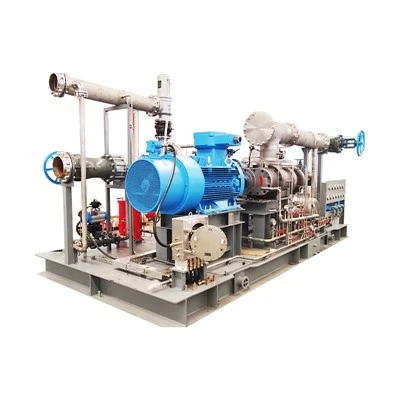
If you’re in the market for an LPG gas compressor, or you’re an existing owner looking for better after-sales support, we’d be happy to discuss your needs. Our team can walk you through our service plans, answer any questions you have about maintenance, repairs, or retrofits, and help you find the right solution for your operations. We pride ourselves on being accessible, responsive, and committed to keeping your LPG compressors running smoothly, so you can focus on your business without worrying about downtime or safety issues.
Screw Gas Compressor References
- Gas Processors Suppliers Association. (2020). LPG Compressor Operation and Maintenance Manual. GPSA Publishing.
- Occupational Safety and Health Administration. (2022). Safety Standards for Liquefied Petroleum Gas Handling. U.S. Department of Labor.
- International Organization for Standardization. (2019). ISO 13707:2019, Petroleum and Natural Gas Industries – Compressors for LPG and Natural Gas. ISO.
- Energy Information Administration. (2023). Industrial Energy Efficiency for Compressed Gas Systems. U.S. Energy Department.
Shanghai Sollant Energy Saving Technology Co., Ltd.
As one of the most professional lpg gas compressor manufacturers and suppliers in China, we’re featured by quality products and good service. Please rest assured to buy bulk durable lpg gas compressor from our factory. Welcome to view our website for more information.
Address: No.215, Songri Center, Beihongqiao, Jiading District, Shanghai, China.
E-mail: info3@sollant.com
WebSite: https://www.sollant-gas.com/
