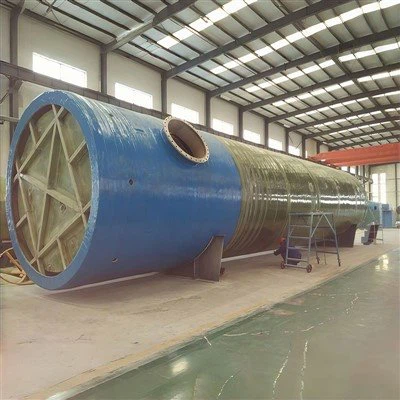
Connecting multiple FRP (Fiberglass Reinforced Plastic) tanks together can be a practical solution for various industrial and commercial applications. As a seasoned supplier of FRP tanks, I’ve encountered numerous clients seeking guidance on how to effectively link these tanks. In this blog, I’ll share comprehensive insights into the process, from understanding the reasons behind tank connection to the step – by – step procedures. FRP Tanks
Why Connect Multiple FRP Tanks?
There are several compelling reasons for connecting multiple FRP tanks. Firstly, capacity expansion is a common motivation. When a single tank cannot meet the required storage volume, joining several tanks together allows for a larger overall capacity. This is especially useful in industries such as water treatment plants, chemical storage facilities, and agricultural irrigation systems, where large quantities of liquids need to be stored.
Secondly, redundancy and reliability are crucial factors. By having multiple connected tanks, if one tank experiences a problem such as a leak or damage, the others can continue to function, minimizing the disruption of operations. This ensures a more stable supply of stored substances.
Another reason is flexibility in system design. Different tanks can be dedicated to different functions or stages of a process. For example, in a wastewater treatment system, one tank can be used for preliminary sedimentation, while others are used for biological treatment or disinfection. Connecting these tanks allows for a more integrated and efficient treatment process.
Key Considerations Before Connecting FRP Tanks
Before starting the connection process, there are several important factors to consider.
Tank Compatibility: Ensure that all the FRP tanks are made of compatible materials. Different types of FRP may have varying chemical resistances, physical properties, and manufacturing processes. Using incompatible tanks can lead to chemical reactions, structural failures, or leaks. Check the specifications provided by the tank manufacturer to ensure compatibility in terms of resin type, laminate thickness, and fiber reinforcement.
Tank Location and Layout: The physical location and layout of the tanks are crucial. Consider factors such as available space, access for maintenance, and proximity to other equipment or structures. The tanks should be placed on a level and stable foundation to prevent uneven stress distribution, which can cause damage to the tanks or the connection points. Additionally, the layout should allow for easy installation of the connection pipes and fittings.
Fluid Characteristics: The properties of the fluid to be stored, such as its chemical composition, temperature, and viscosity, will influence the choice of connection materials. For example, if the fluid is highly corrosive, the connection pipes and fittings must be made of materials that can withstand the corrosive environment, such as specific types of fiberglass or corrosion – resistant plastics.
Selecting the Right Connection Method
There are several methods for connecting FRP tanks, and the choice depends on the application, fluid type, and tank design.
Pipe Connection: This is the most common method. Pipes are used to transfer fluid between the tanks. When using pipe connections, it is essential to select the appropriate pipe material. Fiberglass pipes are a popular choice as they are corrosion – resistant and have a similar composition to the FRP tanks, ensuring better compatibility. The pipes should be sized correctly based on the flow rate requirements. To connect the pipes to the tanks, special fittings such as flanges or threaded couplings can be used. These fittings should be tightly sealed to prevent leaks.
Manifold Connection: A manifold is a system of pipes and valves that distributes fluid between multiple tanks. Manifold connections are useful when multiple tanks need to be connected to a single inlet or outlet point. They allow for more precise control of the fluid flow between the tanks. For example, in a fuel storage system with multiple FRP tanks, a manifold can be used to ensure that the fuel is evenly distributed or withdrawn from the tanks.
Flexible Hose Connection: In some cases, flexible hoses can be used to connect the tanks. Flexible hoses are ideal for situations where there is a need for some movement or vibration between the tanks, such as in mobile storage units or areas prone to seismic activity. However, the hose material must be compatible with the stored fluid and should have sufficient strength and durability.
Step – by – Step Process of Connecting Multiple FRP Tanks
Step 1: Tank Preparation
- Clean the tanks thoroughly to remove any debris, dirt, or contaminants from the interior and the areas where the connections will be made. This helps to ensure a good seal and prevent blockages in the connection pipes.
- Mark the positions on the tanks where the connection holes will be drilled or where the fittings will be attached. Use precise measurement tools to ensure accurate positioning.
Step 2: Drilling Holes (if required)
- If the tanks do not come pre – drilled for connections, carefully drill holes in the marked positions. Use a drill bit suitable for FRP material to avoid cracking or damaging the tank. The size of the holes should match the diameter of the pipes or fittings to be used.
- After drilling, smooth the edges of the holes with sandpaper to remove any rough edges that could cause leaks or damage to the pipes or fittings.
Step 3: Installing Fittings
- Attach the appropriate fittings such as flanges, threaded couplings, or hose nipples to the holes in the tanks. Use a suitable adhesive or sealant to ensure a tight and leak – proof connection. Tighten the fittings according to the manufacturer’s specifications.
- For flange connections, align the flanges properly and use gaskets to prevent leaks. Bolt the flanges together evenly to ensure uniform pressure distribution.
Step 4: Connecting Pipes or Hoses
- Connect the pipes or hoses to the fittings on the tanks. If using pipes, make sure they are properly aligned and supported. Use pipe clamps or brackets to secure the pipes in place and prevent movement.
- For flexible hoses, ensure that they are not kinked or twisted, as this can restrict the fluid flow. Connect the hoses tightly to the fittings using hose clamps.
Step 5: Testing the Connection
- Before filling the tanks with fluid, conduct a pressure test on the connections. This can be done by filling the system with water or air and checking for any leaks. Use a pressure gauge to monitor the pressure and ensure that it remains stable.
- If any leaks are detected, immediately stop the test, identify the source of the leak, and make the necessary repairs, such as tightening the fittings or reapplying the sealant.
Step 6: Final Checks
- Once the connection has passed the pressure test, perform a final visual inspection of the entire system. Check for any signs of damage, loose fittings, or improper installation.
- Ensure that all valves, if used, are in the correct position and functioning properly.
Maintenance and Monitoring of Connected FRP Tanks

After connecting the FRP tanks, regular maintenance and monitoring are essential to ensure their long – term performance.
- Visual Inspections: Conduct regular visual inspections of the tanks, connections, and pipes. Look for signs of leaks, corrosion, or damage to the tank walls, fittings, or pipes. Any issues should be addressed immediately to prevent further damage.
- Pressure Monitoring: Continuously monitor the pressure inside the tanks and the connection system. Abnormal pressure fluctuations can indicate problems such as blockages or leaks.
- Cleaning and Flushing: Periodically clean the tanks and flush the connection pipes to remove any sediment, debris, or contaminants that may accumulate over time. This helps to maintain the flow rate and prevent blockages.
Fiberglass Products As a trusted supplier of FRP tanks, I’m dedicated to providing high – quality products and comprehensive support. If you’re considering connecting multiple FRP tanks for your project, I’m here to assist you every step of the way. Our team of experts can offer customized solutions based on your specific requirements, ensuring that your tank connection system is efficient, reliable, and safe. Don’t hesitate to reach out to us for more information or to start a procurement discussion.
References
- Fiberglass Reinforced Plastic Tanks: Design, Manufacture, and Use, Industrial Publishing Group
- Handbook of Water and Wastewater Treatment Plant Operations, Water Environment Federation
Hebei Weihan Environmental Protection Equipment Co., Ltd.
We’re well-known as one of the leading FRP tanks manufacturers and suppliers in China, featured by quality products and good service. Please rest assured to buy customized FRP tanks at competitive price from our factory. Contact us for more details.
Address: No. 666 Chuangye Road, Zaoqiang County, Hengshui City, Hebei Province
E-mail: weihanmachine@gmail.com
WebSite: https://www.whanfrp.com/
