As a fiberglass yarn supplier, I get this question at least once a week: “Can fiberglass yarn be woven?” It’s a fair one—fiberglass has a reputation for being brittle, stiff, and a little finicky, so it’s easy to assume it’d crumble instead of hold together on a loom. But the short answer is yes, and the longer, more accurate answer is that woven fiberglass yarn is one of the most versatile, durable materials in industrial manufacturing today. Let me break this down like I would for a customer who just walked into our showroom, asking to see a sample reel. Fiberglass Yarn

First, let’s start with what fiberglass yarn even is, because that’s where the confusion often starts. Fiberglass isn’t just one material—it’s made from thin glass fibers melted down, stretched into filaments, then twisted or bundled into yarn of different weights, counts, and finishes. Some yarns are coarse, meant for heavy-duty work like insulation wraps, while others are so fine they feel almost like silk. The key to weaving them isn’t just “can you thread a loom with them” but matching the yarn type to the weave style and end use.
A lot of people think fiberglass yarn can’t be woven because glass doesn’t bend like cotton or polyester. But here’s the thing: weaving doesn’t require endless flexibility—it requires enough tensile strength to cross over and under other yarns without snapping. Modern fiberglass yarns are engineered specifically for that. We use a specific type of E-glass (electrical grade glass) for most of our weaving-grade yarns, for example. It has a high tensile strength—way stronger than steel per unit weight—and a moderate elongation (stretch before breaking) of about 3 to 4%. That’s enough to handle the tension of a loom, where warp yarns (the ones stretched lengthwise on the loom) are pulled taut, and weft yarns (the ones woven crosswise) are inserted with a shuttle or air jet.
I’ve seen first-hand what happens when you skip the right yarn for weaving. A customer once came to us trying to weave with raw, untwisted filament glass, not a properly spun yarn. The filaments were too thin and fragile—when he pulled them on his loom, half snapped before he even finished the first row. He thought fiberglass was impossible to weave, until we sent him a spool of our 120-text twisted E-glass yarn, which is specifically twisted to hold filaments together without making it too stiff. With that, he was able to weave a continuous fabric for duct insulation jackets that’s still in use three years later. That’s the kind of win that makes this job worth it.
Now, what are the common weave styles for fiberglass yarn? It’s not just plain weave (the classic over-one-under-one everyone knows). We use twill weave for fabrics that have a smoother surface and higher tear resistance—great for fire blankets. Satin weave gives a softer, more flexible fabric, used for electrical insulation tapes that wrap around wires. Even specialized weaves like leno (a weave that locks yarns together to prevent fraying) are common for outdoor use fabrics, like the ones used in RV siding or pool covers. Each weave changes the fabric’s properties, so choosing the right combination of yarn and weave is everything.
But weaving fiberglass yarn does come with a few unique challenges that you don’t have with natural or synthetic fibers. For one, static. Glass is an insulator, so when the yarn rubs against loom parts (heddles, shuttles, even other yarns), static builds up. That can cause yarns to stick together, break, or not insert evenly. We solve this by applying a special lubricant (called a sizing agent) to the yarn before it’s woven. The sizing not only reduces static but also protects the glass filaments from abrasion during weaving, which prevents small nicks that would weaken the fabric. Without that sizing, even the best E-glass yarn will fray mid-weave.
Another challenge is handling the fabric after it’s woven. Woven fiberglass fabric is stiff right off the loom, but it gets more flexible once it’s coated or laminated. Our woven yarn products are often sent to manufacturers who coat the fabric with silicone, epoxy, or vinyl to make it water-resistant, heat-resistant, or electrically insulating. A customer making aircraft interior parts, for example, uses woven fiberglass yarn fabric coated with a fire-retardant epoxy to meet FAA standards—something that wouldn’t be possible if the yarn couldn’t hold its shape through the weave.
Let me also address a common misconception: woven fiberglass isn’t just for industrial uses. It’s used in surfboards, wind turbine blades, even high-end skateboard decks. The yarn is woven into a fabric, then layered with resin to create a strong, lightweight composite. If you’ve ever held a surfboard that feels tough but not heavy, chances are it’s made with woven fiberglass yarn. That’s a far cry from the insulation blankets most people associate with fiberglass.
As a supplier, I work closely with weavers every day to tweak yarn specs for their specific projects. A weaver making fire curtains might need a heavier yarn (like 240-text) for a denser fabric, while a weaver making electrical insulation tape needs a finer 60-text yarn to wrap tightly around small wires. We also offer different finishes: some yarns are “sized” for immediate weaving, others are desized for custom coatings, and some have a special UV-stabilized coating for outdoor fabrics. The key is that there’s a fiberglass yarn for almost every weave application, as long as it’s engineered with weaving in mind.
I get it—if you’ve only ever worked with cotton or polyester, fiberglass yarn feels foreign. It’s not as soft, it’s a little scratchy straight off the spool, and it snaps if you pull too hard. But that’s the point of its strength. We’ve been supplying woven-grade fiberglass yarn for over 15 years, and we’ve partnered with weavers across 12 industries, from automotive to renewable energy. Every time a new customer is skeptical, I send them a free sample spool and a small swatch of fabric woven from that yarn, and 9 times out of 10, they come back saying they didn’t realize how versatile it is.
If you’re a weaver, a fabric manufacturer, or someone looking to use woven fiberglass for a project, the first step is to talk to someone who knows the difference between a raw filament and a weaving-grade yarn. Don’t waste time trying to weave with off-the-shelf fiberglass—reach out to a supplier who can help you pick the right yarn for your loom, your weave style, and your end use. Whether you need a small batch for a prototype or a bulk order for a large project, we can work with you to get the right product, and even offer advice on weave patterns or post-processing steps to get the exact fabric you need.
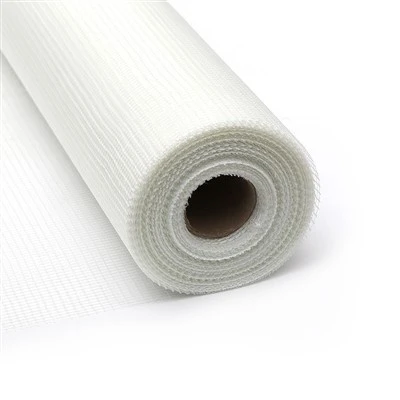
So to circle back to the original question: yes, fiberglass yarn absolutely can be woven. It’s not only possible, it’s one of the most reliable materials for high-stakes applications. The confusion comes from mixing up raw glass fibers with specially engineered woven-grade yarn, and forgetting that glass’s stiffness and strength are exactly why it works so well in woven fabrics. If you’ve got a project in mind, or you’re just curious about how woven fiberglass could work for you, get in touch to discuss your requirements. We’re here to help you pick the right yarn, troubleshoot any weaving challenges, and make sure your final product is strong, durable, and exactly what you need.
Fiberglass Tape References
- Klein, L. (2005). Handbook of Fiberglass and Advanced Composites. Industrial Press Inc.
- ASTM D578-18, Standard Specification for Glass Yarns for Structural Fiberglass Reinforcement. ASTM International.
- Vahidi, M., & Fahim, A. (2019). Mechanical Properties of Woven Fiberglass Fabrics for Aerospace Applications. Journal of Composite Materials, 53(22), 3067-3081.
- “Fiberglass Sizing Agents: Critical for Weaving and Fabric Performance.” Textile World, 2021.
Danyang Yonggu Building Materials Co., Ltd.
Danyang Yonggu Building Materials Co., Ltd. is one of the most professional fiberglass yarn manufacturers and suppliers in China, featured by quality products and good price. Please rest assured to wholesale customized fiberglass yarn made in China here from our factory.
Address: Danyang City, Jiangsu Province, P.R. China
E-mail: sales02@cnyongu.com
WebSite: https://www.ygfiberglass.com/
