In today’s world, where energy conservation and sustainability are at the forefront of global discussions, the role of heat recovery units (HRUs) in saving energy has become a topic of increasing interest. As a supplier of heat recovery units, I’ve witnessed firsthand the transformative impact these systems can have on energy consumption in various settings. In this blog, I’ll delve into the science behind heat recovery units, explore their real – world applications, and examine whether they can indeed save energy. Heat Recovery Unit
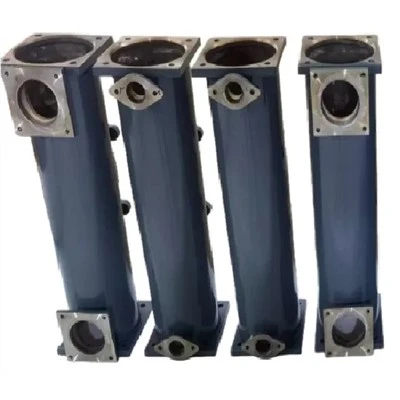
The Science Behind Heat Recovery Units
To understand how heat recovery units save energy, it’s essential to grasp the basic principles of heat transfer. Heat always moves from a warmer area to a cooler one, a concept known as heat transfer by conduction, convection, or radiation. A heat recovery unit takes advantage of this natural phenomenon.
Most commonly, HRUs are used in ventilation systems. In a building, fresh air is constantly required to maintain a healthy indoor environment. However, expelling the stale indoor air means losing the heat that has been used to warm it, especially in cold climates. Conversely, in hot climates, the cool air inside the building might be wasted when it is replaced.
A heat recovery unit acts as a bridge between the outgoing and incoming air streams. It contains a heat exchanger that allows the transfer of heat between the two airflows without mixing them. For example, in winter, as the cold incoming fresh air passes through the heat exchanger, it absorbs heat from the warm outgoing stale air. As a result, the temperature of the incoming air is raised before it enters the building, reducing the amount of energy needed to heat it to a comfortable indoor temperature. Similarly, in summer, the warm outdoor air is pre – cooled by the cooler outgoing indoor air, lessening the cooling load on the air – conditioning system.
The efficiency of a heat recovery unit is measured by its effectiveness, which is the ratio of the actual heat transfer to the maximum possible heat transfer. High – efficiency heat recovery units can have an effectiveness of up to 80 – 90%, meaning they can transfer a large portion of the available heat between the two air streams.
Real – World Applications and Energy Savings
Residential Buildings
In residential settings, heat recovery units can significantly reduce energy bills. Consider a typical family home with a forced – air ventilation system. Without a heat recovery unit, the home would require a considerable amount of energy to heat the cold outside air during the winter months. By installing a heat recovery unit, the incoming air is pre – heated, and the existing heating system doesn’t need to work as hard.
For example, in a cold climate where the outdoor temperature in winter can drop to – 20°C, and the indoor temperature is maintained at 20°C, a well – functioning heat recovery unit can pre – heat the incoming air to around 12°C. This may seem like a small difference, but when calculated over the course of an entire heating season, it can result in a substantial reduction in energy consumption. A study by a leading energy research institute found that residential buildings equipped with heat recovery units can save up to 25 – 30% on heating costs.
Commercial Buildings
Commercial buildings, such as offices, schools, and hospitals, have even greater potential for energy savings with heat recovery units. These facilities typically have large ventilation systems to meet the high demand for fresh air. Air changes in commercial buildings can occur several times an hour, which means a significant amount of energy is used to condition the incoming air.
In an office building, a heat recovery unit can pre – condition the large volume of incoming air. This not only reduces the load on the heating and cooling systems but also improves the overall comfort of the building occupants. For example, in a large office complex with a high – efficiency heat recovery unit, the pre – heating or pre – cooling of the incoming air can reduce the energy consumption for HVAC systems by up to 40%. This not only translates into lower operational costs for the building owner but also contributes to a more sustainable environment.
Industrial Facilities
Industrial settings often involve processes that generate a large amount of heat. For example, factories with manufacturing processes, power plants, and data centers. Heat recovery units can be used to capture and reuse this waste heat.
In a manufacturing plant where high – temperature processes are involved, the hot exhaust gases can be passed through a heat recovery unit. The heat from these gases can then be used to pre – heat water, air, or other process fluids, reducing the need for additional energy input. In some cases, industrial heat recovery units can recover up to 70% of the waste heat, leading to significant energy savings and cost reductions.
Factors Affecting Energy Savings
While heat recovery units have the potential to save energy, several factors can influence the actual amount of savings achieved.
Unit Efficiency
As mentioned earlier, the efficiency of the heat recovery unit plays a crucial role. Higher – efficiency units with better heat exchangers and design can transfer more heat between the air streams, resulting in greater energy savings. When selecting a heat recovery unit, it’s important to consider the unit’s effectiveness rating and ensure it meets the specific requirements of the application.
Climate
The climate of the location where the heat recovery unit is installed also affects energy savings. In regions with extreme temperature differences between indoor and outdoor conditions, such as very cold winters or hot summers, the potential for energy savings is higher. For example, in Nordic countries with long, cold winters, heat recovery units can have a more significant impact on heating energy consumption compared to regions with milder climates.
Building Design and Usage
The design and usage of the building also matter. Buildings with poor insulation may not fully realize the energy – saving potential of a heat recovery unit because heat can still be lost through the building envelope. Additionally, the occupancy patterns and ventilation requirements of the building can affect the performance of the heat recovery unit. A building with high – occupancy periods and strict ventilation standards will benefit more from a well – sized heat recovery unit.
Conclusion
So, can a heat recovery unit save energy? The answer is a resounding yes. Through the principles of heat transfer, heat recovery units can capture and reuse heat that would otherwise be wasted, reducing the energy demand for heating and cooling in various settings. Whether it’s a small residential home, a large commercial building, or an industrial facility, heat recovery units have the potential to make a significant impact on energy consumption and costs.
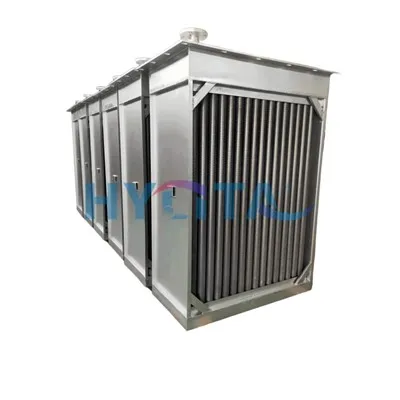
As a supplier of heat recovery units, I am committed to providing high – quality, efficient units that meet the diverse needs of our customers. Our units are designed to maximize energy savings while ensuring reliable performance. We work closely with our clients to understand their specific requirements and recommend the most suitable heat recovery solutions.
Plate and Frame Heat Exchanger If you’re interested in learning more about how a heat recovery unit can benefit your building or industry and potentially save you a substantial amount of money on energy costs, I encourage you to reach out to us. We would be delighted to discuss your project and provide you with detailed information and product recommendations. Contact us to start a discussion on how we can help you achieve your energy – saving goals.
References
- "Energy Efficiency in Buildings: A Comprehensive Guide." International Energy Agency, 2020.
- "Heat Recovery Systems for Industrial Applications." American Society of Heating, Refrigerating and Air – Conditioning Engineers (ASHRAE), 2019.
- "Residential Energy Consumption Survey." U.S. Energy Information Administration, 2018.
Shenzhen Hylita Heat Exchanger Co.,Ltd
We’re professional heat recovery unit manufacturers and suppliers in China, providing high quality customized products with low price. We warmly welcome you to wholesale heat recovery unit for sale here from our factory.
Address: 1st Building, Maluan Chuanggu Industrial Park, No. 2- 10 of South Jinlong Road, Shahu Community, Biling Street, Pingshan District, Shenzhen City, 518118 P. R. China.
E-mail: info@hylita.com
WebSite: https://www.hylita.com/
